

After months of carefully choosing what went on your plate for the baby, it’s easy to stop thinking about food altogether once they arrive. The days fill up with feeds, burps, and diapers, and suddenly it’s 3 p.m. and you’ve had half a granola bar and a cold cup of coffee.
But the weeks after birth are when your body asks the most of you. You’re repairing tissue, replacing blood, adjusting to enormous hormone changes, and, for many parents, producing milk around the clock. Food is one of the most powerful recovery tools you have.
Rather than another list of “superfoods,” we’ve organized this guide around four things your body is working hard to do right now, and the foods that help most with each.
Goal 1: Heal
Whether you delivered vaginally or by cesarean, your body is mending. Two nutrients lead the way.
Protein supplies the building blocks for tissue repair. Try to include a source at every meal and most snacks. Good options include eggs, poultry, fish, lean beef, Greek yogurt, cottage cheese, beans, lentils, tofu, and nut butters.
Vitamin C helps your body make collagen, which supports wound and tissue healing. You’ll find it in citrus, kiwi, strawberries, bell peppers, broccoli, and tomatoes.
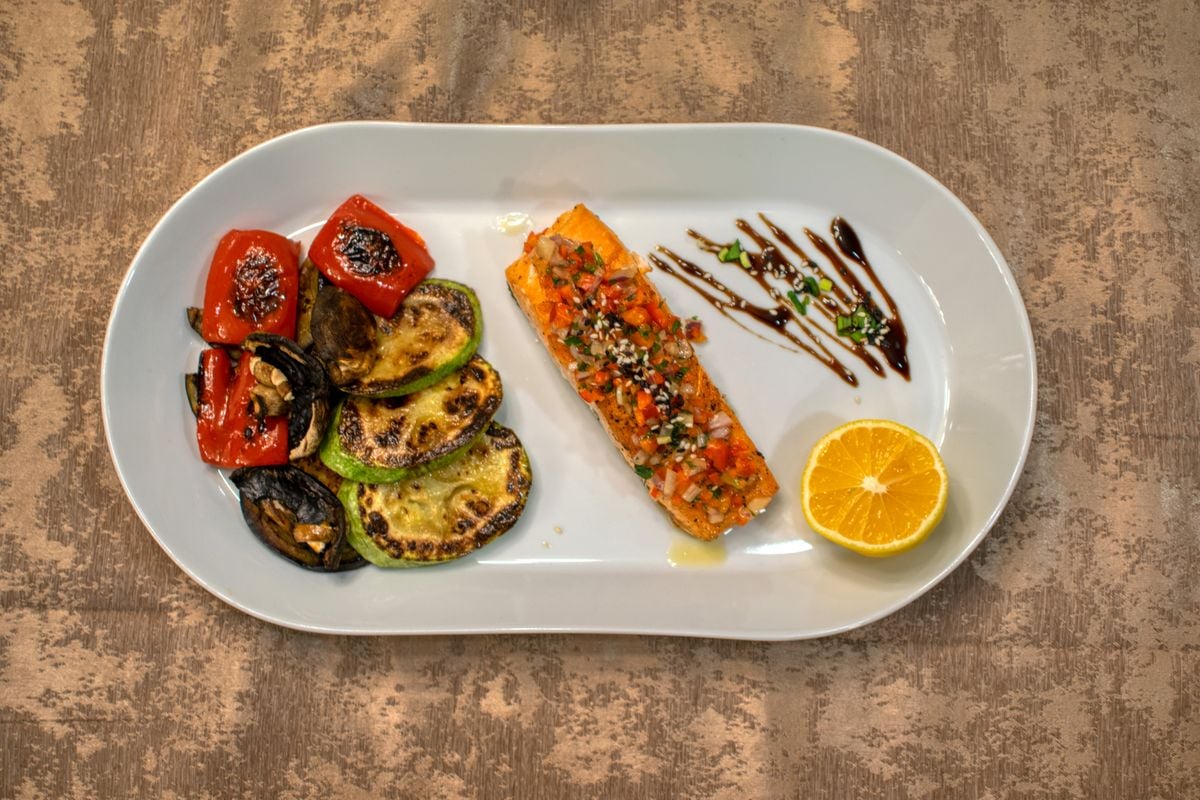
A simple healing plate: grilled salmon, roasted sweet potato, and a spinach salad with strawberries.
Goal 2: Restore Your Energy
Broken sleep is unavoidable for a while. Food can’t replace rest, but it can keep you from crashing.
Rebuild iron. Blood loss during birth can leave iron stores low, and low iron often shows up as exhaustion, dizziness, or shortness of breath. Red meat, dark poultry, lentils, beans, spinach, and fortified cereals all help. Pair plant sources with a vitamin C food to boost absorption. If you lost a lot of blood or feel unusually wiped out, ask your provider to check your levels.
Choose slow-burning carbs. Oats, whole-grain bread, brown rice, quinoa, and sweet potatoes give steady energy instead of a quick spike and drop.
Eat on a rhythm. Every three to four hours is a good target. Many parents find it easiest to eat something every time the baby eats.
Goal 3: Support Feeding
If you’re breastfeeding or pumping, your nutritional needs go up. According to the CDC, exclusively breastfeeding parents need about 330 to 400 additional calories per day. That’s roughly a hearty snack, like an apple with peanut butter and a glass of milk.
Healthy fats, especially omega-3s. DHA supports your baby’s brain and eye development and passes through breast milk. The FDA advises breastfeeding parents to eat 8 to 12 ounces of low-mercury fish weekly, such as salmon, trout, sardines, or canned light tuna. Walnuts, chia, and ground flax add plant-based omega-3s.
Calcium and vitamin D. Dairy, fortified plant milks, tofu, almonds, and leafy greens support your bones while you nurse.
Continue your prenatal. Many providers recommend taking your prenatal vitamin for as long as you breastfeed. Ask yours what’s best for you.
If you’re formula feeding, your calorie needs return closer to your pre-pregnancy baseline, but healing and energy still depend on steady, balanced meals. This is not the season for restrictive dieting either way.
Goal 4: Steady Your Mood and Digestion
Blood sugar and mood are linked. Skipping meals can leave you shaky, irritable, and more anxious. Pairing protein or fat with carbohydrates helps keep you level.
Fiber prevents a common postpartum misery. Constipation is very common after birth, especially with pain medications or iron supplements. Load up on oatmeal, berries, pears, prunes, beans, vegetables, and whole grains, and drink plenty of fluids.
Hydration in a High, Dry Climate
Here in the Salt Lake Valley, the dry air and higher elevation mean you can lose more fluid than you realize, and nursing adds to that. Keep a large water bottle at every feeding spot. Drink to thirst, and use pale yellow urine as your guide. Water-rich foods like soups, cucumbers, melon, and oranges count too.
Electrolyte drinks can be helpful on hot days. Choose low-sugar options.
Caffeine and Alcohol: What to Know
Coffee lovers, rejoice. The CDC notes that up to about 300 mg of caffeine per day, roughly two to three cups of coffee, is generally fine while breastfeeding. If your baby seems unusually fussy or wakeful, try cutting back.
Alcohol is best avoided while nursing. If you choose to have a drink, the CDC recommends waiting at least two hours per drink before nursing.
A Day of Postpartum Eating (Example)
- Breakfast: Steel-cut oats with walnuts, berries, and a drizzle of honey, plus a scrambled egg
- Mid-morning: Greek yogurt with granola
- Lunch: Lentil soup with a whole-grain roll and sliced apple
- Afternoon: Hummus, carrots, and whole-grain crackers
- Dinner: Roasted chicken, quinoa, and roasted broccoli with lemon
- Night feed: A cheese stick and a handful of almonds by the bed
Make Good Food Effortless
- Prep before baby arrives. Fill the freezer with soups, stews, and breakfast items.
- Accept every offer. When someone asks to help, a meal is the perfect answer.
- Use delivery. Grocery and meal delivery services save your energy for what matters.
- Keep a bedside snack bin. Nighttime hunger while nursing is real.
- Think warm and simple. Brothy soups, congee, oatmeal, and stews are soothing, easy to digest, and a staple of postpartum traditions around the world.
You Deserve to Be Cared For, Too
It’s hard to make a balanced lunch when you’re holding a sleeping baby you don’t dare put down. A postpartum doula from SLC Newborn Care can step in during the day so you can sit down, eat, hydrate, and rest. Supporting your recovery is one of the best things you can do for your baby.
Ready to plan your postpartum support? Email hello@slcnewborncare.com to connect with our team.
Frequently Asked Questions
What does good postpartum nutrition look like?
Prioritize protein and vitamin C for healing, iron and slow-burning carbs for energy, extra calories and omega-3s if you’re nursing, and plenty of fluids in Utah’s dry climate. Eating every three to four hours keeps energy and mood steadier.
This article is general information, not medical or nutrition advice. Please consult your healthcare provider or a registered dietitian, particularly if you have allergies, gestational diabetes, or other health considerations.